What Happens If You Ignore a Debt Collector in Florida?
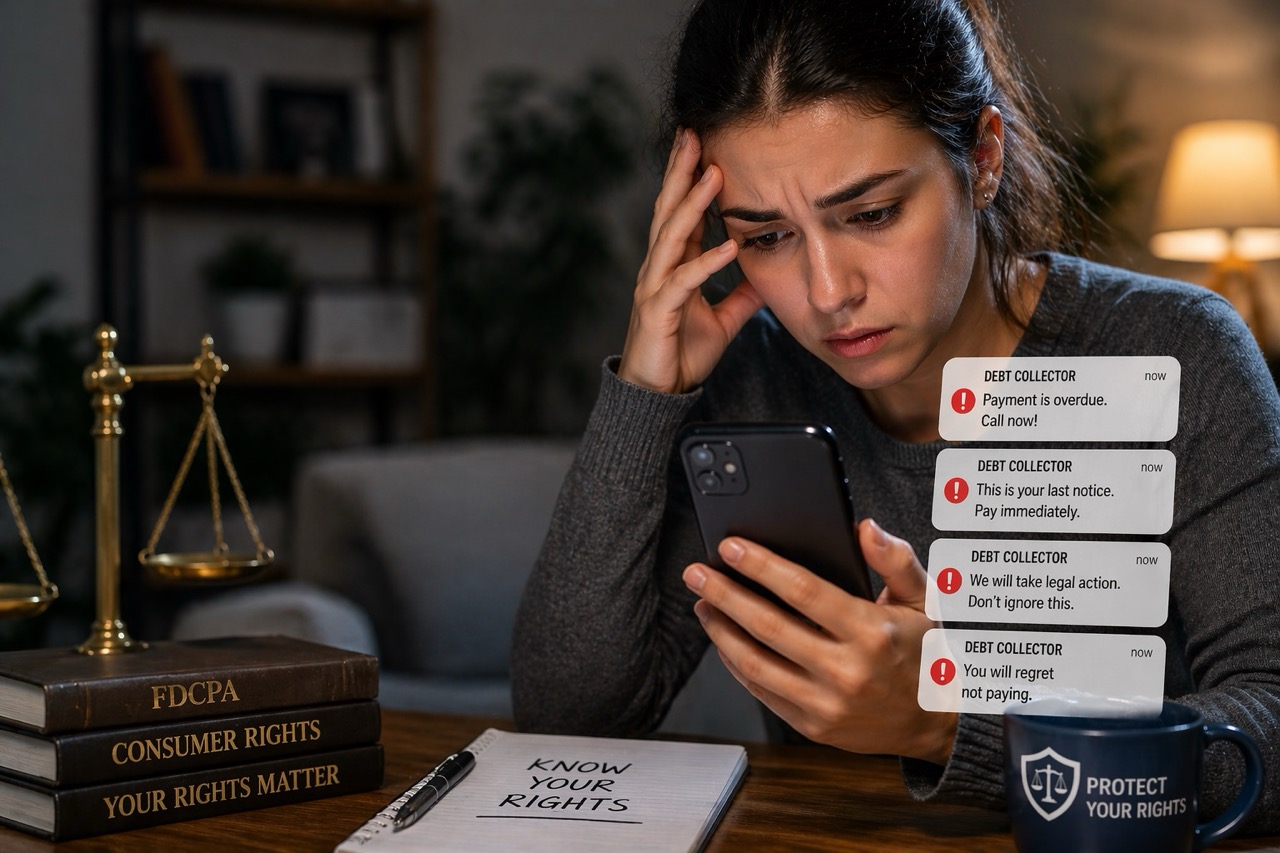
The calls keep coming. The voicemails pile up. Letters arrive and you set them aside unopened. Many Florida consumers reach a point where ignoring everything feels like the only option. The stress is real and the pressure from collectors can feel relentless.
But staying silent is not always the safest choice. Ignoring debt collectors can sometimes make a difficult situation significantly worse over time. Before you decide to stay silent or respond, there are important things every Florida consumer should understand about their rights and what collectors are actually allowed to do.
Can You Legally Ignore a Debt Collector in Florida?
The short answer is yes, you can choose not to respond. But ignoring a collector does not make the debt disappear. The debt remains valid and collectors can continue their efforts within the limits of the law. There is also an important distinction between ignoring harassment and ignoring something far more serious like a court notice.
Ignoring repeated calls from an aggressive collector is very different from ignoring a lawsuit or court summons. One may be a matter of personal choice. The other can lead to serious legal and financial consequences that are difficult to undo.
What Usually Happens After You Ignore Debt Collection Calls?
Silence rarely stops the process. In most cases it simply changes what form the contact takes next. Here is what typically happens when a consumer chooses not to respond:
Collection Calls and Letters May Continue
Collectors do not give up easily. When calls go unanswered, agencies often increase the frequency of contact through other channels. You may begin receiving more letters, emails, or calls from different numbers. Some agencies rotate representatives specifically to generate new contact attempts. This can continue for weeks or months depending on the collector and the size of the debt.
Your Debt Could Be Sold to Another Collector
When a collector cannot reach you, they may sell your account to a different debt buyer. This means a brand new agency contacts you about the same debt, often with no knowledge of prior communication. The cycle of calls and letters starts over again. In some cases the same debt passes through multiple collectors before any resolution is reached.
Can a Debt Collector Sue You in Florida?
Yes. Debt collectors in Florida have the legal right to file a lawsuit to recover unpaid debts. This step is more common on larger balances, but it does happen across a range of debt amounts. If a collector decides to sue, you will receive official court documents. Those documents require a timely response.
Ignoring a lawsuit is one of the most serious mistakes a consumer can make. A court will not wait indefinitely. If you do not respond within the required timeframe, the judge may issue a default judgment against you automatically.
What Happens If You Ignore a Debt Collection Lawsuit?
A default judgment is a court ruling entered against you simply because you did not respond. It does not require the collector to prove their full case in front of you.
Once a judgment is in place, the collector gains additional legal tools. In Florida, wage garnishment is limited compared to other states, but bank account levies and liens on property are real possibilities after a judgment. Additional court costs and legal fees may also be added to what you owe.
Acting quickly after receiving court papers matters enormously. You typically have a limited number of days to respond depending on the type of claim. Even if you believe the debt is incorrect, you must respond to preserve your right to dispute it. Missing that deadline can eliminate options that would otherwise have been available to you.
Know Your Rights Under Florida and Federal Law
You have strong legal protections even when a debt collector is contacting you repeatedly. The Fair Debt Collection Practices Act prohibits collectors from harassing, threatening, or deceiving consumers. They cannot call you before 8 a.m. or after 9 p.m. in your local time zone. They cannot use abusive language or make false statements about lawsuits or criminal consequences. They are also limited in how frequently they can contact you within a given period.
You have the right to request written validation of any debt a collector claims you owe. You have the right to dispute debts that are inaccurate, already paid, or do not belong to you. These protections exist regardless of whether you owe the money.
Signs a Debt Collector May Be Violating the Law
Not all collector behavior is legal. Some tactics cross clear federal and state law boundaries. If you recognize any of the following, the collector may already have violated your rights:
- Threatening you with arrest or criminal charges for an unpaid debt
- Calling repeatedly late at night or before early morning hours
- Contacting your employer, relatives, or neighbors without legal basis
- Attempting to collect a debt you do not recognize or never agreed to
What You Should Do Instead of Ignoring Debt Collectors
Ignoring calls is understandable. But informed action protects you far better than silence. Rather than hoping the problem fades away, here are three steps that put you in a stronger position:
Ask for Debt Validation
You have the right to request written proof of the debt. Ask the collector to verify the amount, the original creditor, and their legal right to collect it before you agree to anything.
Keep Records of Every Interaction
Save every letter, voicemail, and email you receive from a collector. Write down the dates and times of every call. This documentation becomes your evidence if violations need to be reported or a legal claim is filed.
Respond Carefully and Stay Calm
Never admit liability or make a payment without fully understanding the debt first. Take time to review your options. A single uninformed payment can sometimes restart important legal timelines related to the debt.
How Florida’s Statute of Limitations Can Affect Old Debts
Older debts come with an important legal concept worth understanding before you act. Florida has a statute of limitations on debt collection lawsuits. After a certain period of time, collectors generally lose the legal right to sue you over an old debt. However, the debt may still appear on your credit report and collectors may still attempt to contact you about it.
Making a payment or even acknowledging the debt in writing can potentially restart the clock in some situations. If you are being contacted about a debt that is several years old, it is worth understanding your legal position before responding.
When to Speak With a Consumer Protection Lawyer
Some situations go beyond what a consumer should handle alone. Consider speaking with a lawyer if any of the following apply to your situation:
- A collector continues contacting you after you have asked them in writing to stop
- You believe your rights under the FDCPA have been violated
- You have received a lawsuit or court summons related to the debt
- The debt does not belong to you or may be connected to identity theft
Quick Checklist: What to Do If a Debt Collector Contacts You
Use this as your starting point whenever a collector reaches out:
- Stay calm and do not make any immediate commitments during the call
- Request written validation of the debt before discussing payment
- Keep a detailed record of all communication including dates and what was said
- Never ignore court papers or legal notices under any circumstances
- Understand your rights fully before agreeing to pay or negotiate anything
Ignoring the Problem Usually Does Not Make It Go Away
It is natural to feel overwhelmed when collectors are calling constantly. But the good news is that you have real legal protections in this situation. The law is designed to protect consumers from abusive, deceptive, and unfair collection practices. Knowing your rights gives you a clear path forward instead of leaving you stuck in silence and stress. Informed action almost always puts you in a better position than waiting and hoping the calls eventually stop.
Do Not Face Debt Collectors Alone
Consumer Law Organization, P.A. helps Florida residents understand their rights and take action when collectors cross the line. Whether you are facing harassment, a potential lawsuit, or a debt you do not recognize, we are here to help. We offer free consultations with no pressure and no upfront fees in many cases.
Reach out today and let us review your situation.
Consumer Law Organization, P.A.
6231 PGA Blvd., Ste 104-1003 Palm Beach Gardens, FL 33418
Phone: (561) 822-3446