How to Stop Debt Collection Harassment Immediately
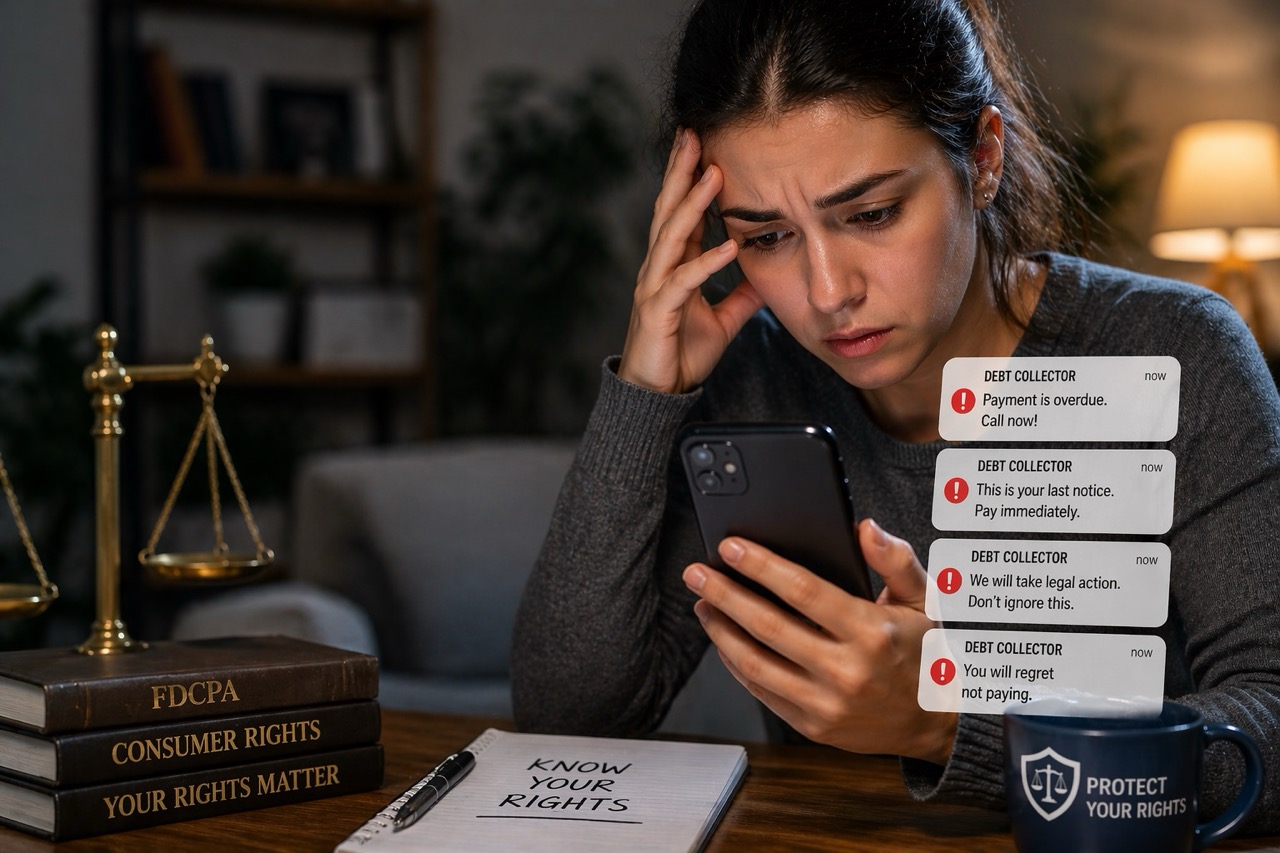
Your phone rings again. It is the same collector calling for the third time today. They are threatening legal action. They are pressuring you to pay right now. The stress feels unbearable and you are not sure what to do.
Many people in this situation feel helpless. They assume collectors have unlimited power to contact them however they want. That is not true. Debt collection harassment is illegal under federal law. You have real rights and real options.
This guide walks you through exactly how to stop the harassment, protect yourself, and take back control of the situation.
What Counts as Debt Collection Harassment
Harassment from a debt collector is not just annoying. It is a federal law violation when it crosses certain lines. Under the law, harassment includes repeated calls throughout the day designed to annoy or wear you down. It includes threats of arrest, criminal charges, or lawsuits the collector has no intention of filing.
Calling before 8 a.m. or after 9 p.m. in your local time zone is also prohibited. Contacting your employer or family members without proper legal basis is another clear violation.
Now that you know what qualifies, let us walk through the steps you can take immediately.
Step 1: Tell the Debt Collector to Stop Contacting You
You have the legal right to demand that a collector stop contacting you. This right exists regardless of whether you owe the debt or not. You can make this request verbally during a call. However, a written request is always stronger and harder for a collector to deny.
State clearly that you want all contact to stop immediately. Keep a dated copy of your request for your own records. Once they receive your written notice, federal law severely limits what contact they are allowed to make.
Step 2: Send a Cease and Desist Letter
A cease and desist letter is one of the most powerful tools you have against a harassing collector. Your letter should include your full name, current address, and any account reference number associated with the debt. State clearly and directly that you are demanding all communication stop immediately. Send the letter by certified mail so you have proof of delivery. Keep your tracking number and a copy of everything you send.
This step is powerful for two reasons. First, it legally restricts the collector from contacting you further except under very limited circumstances. Second, it creates documented evidence that you exercised your rights. If the harassment continues after they receive your letter, that documentation becomes critical to your legal case.
Step 3: Know Your Rights Under Federal Law
The Fair Debt Collection Practices Act gives you strong and enforceable protections. Collectors cannot harass, threaten, or use abusive language toward you at any time. They cannot make false statements about lawsuits, criminal charges, or what will happen if you do not pay.
They are restricted to contacting you between 8 a.m. and 9 p.m. in your time zone. They also cannot call you repeatedly in a short period with the intent to annoy or pressure you. Knowing these protections helps you recognize a violation when it happens and take action quickly.
Step 4: Document Every Call and Message
Documentation is one of your most important assets in a debt collection harassment case. Start keeping a detailed log of every call you receive. Write down the date, time, phone number, and the name of the person who called. Note what was said during every conversation.
Save all voicemails, texts, and emails without deleting anything. The more thorough your records, the stronger your position becomes if you decide to file a complaint or pursue legal action. A well-documented pattern of harassment is very difficult for a collector to dispute.
Step 5: Do Not Share Personal or Financial Information
When a collector calls, be very careful about what you say and confirm. Do not provide bank account numbers, Social Security details, or any financial information over the phone. Not every caller claiming to be a debt collector is legitimate. Some calls are scams designed to collect sensitive personal data.
If you are unsure who is calling, ask for written verification of the debt before engaging further. Protecting your personal information during this process also reduces your risk of becoming an identity theft victim on top of everything else.
Step 6: Dispute the Debt If You Believe It Is Incorrect
Not every debt a collector contacts you about is valid. If something does not seem right, you have the right to dispute it.
When to File a Dispute
- The debt does not belong to you and may be a case of mistaken identity
- The amount being claimed is higher than what you actually owe
- The account has already been paid in full or settled previously
How to Dispute Properly
Send your dispute in writing within 30 days of first contact from the collector. Request written validation of the debt and ask them to provide proof that they have the right to collect it. Do not make any payments until you receive that verification. Paying before validating can sometimes restart the legal clock on older debts.
Step 7: Report Harassment to the Right Agencies
If a collector is breaking the law, report them. Your complaint matters. File a complaint with the Consumer Financial Protection Bureau at ConsumerFinance.gov. You can also file with the Federal Trade Commission and with the Florida Attorney General’s office.
These agencies track patterns of illegal behavior and can take enforcement action against repeat violators. Your complaint adds to the record against that collector and helps protect other consumers facing the same abuse. Reporting is free and does not require a lawyer.
When Debt Collection Crosses the Legal Line
Some collector behavior is not just aggressive. It is clearly illegal. If any of the following are happening to you, a federal law violation may already have occurred. A collector threatening you with arrest or jail time for an unpaid debt is breaking the law.
Using abusive, obscene, or threatening language during any contact is prohibited. Making false claims about pending lawsuits or legal consequences crosses the line. Continuing to contact you after receiving a written cease and desist request is a direct violation. Each of these acts may entitle you to take legal action and pursue compensation.
How a Consumer Protection Lawyer Can Help
When harassment does not stop on its own, a lawyer can intervene effectively. An attorney will review the full history of your contact with the collector and identify any FDCPA violations. They can send formal legal notice that brings the harassment to an immediate halt in most cases.
If violations occurred, a lawyer can hold the collector accountable under federal law on your behalf. At Consumer Law Organization, P.A., many cases involve no upfront fees. If your claim succeeds, federal law may require the collector to cover your attorney costs.
Quick Checklist: Stop Debt Harassment Today
- Tell the collector verbally to stop all contact with you immediately
- Follow up with a written cease and desist letter sent by certified mail
- Document every call, text, and voicemail with dates and details
- Dispute any debt you believe is incorrect, inflated, or already paid
- Seek legal guidance if contact continues or threats have been made
Speak With a Consumer Protection Attorney Today
You do not have to keep living with the stress of constant collector harassment. Consumer Law Organization, P.A. helps Florida residents stop illegal debt collection and pursue their rights under federal law.
We offer free consultations with no pressure. In many cases there are no upfront fees. Reach out today and let us help you put a stop to it.
Consumer Law Organization, P.A.
6231 PGA Blvd., Ste 104-1003 Palm Beach Gardens, FL 33418
Phone: (561) 822-3446