Identity Theft Recovery Steps Every Florida Victim Should Take Now
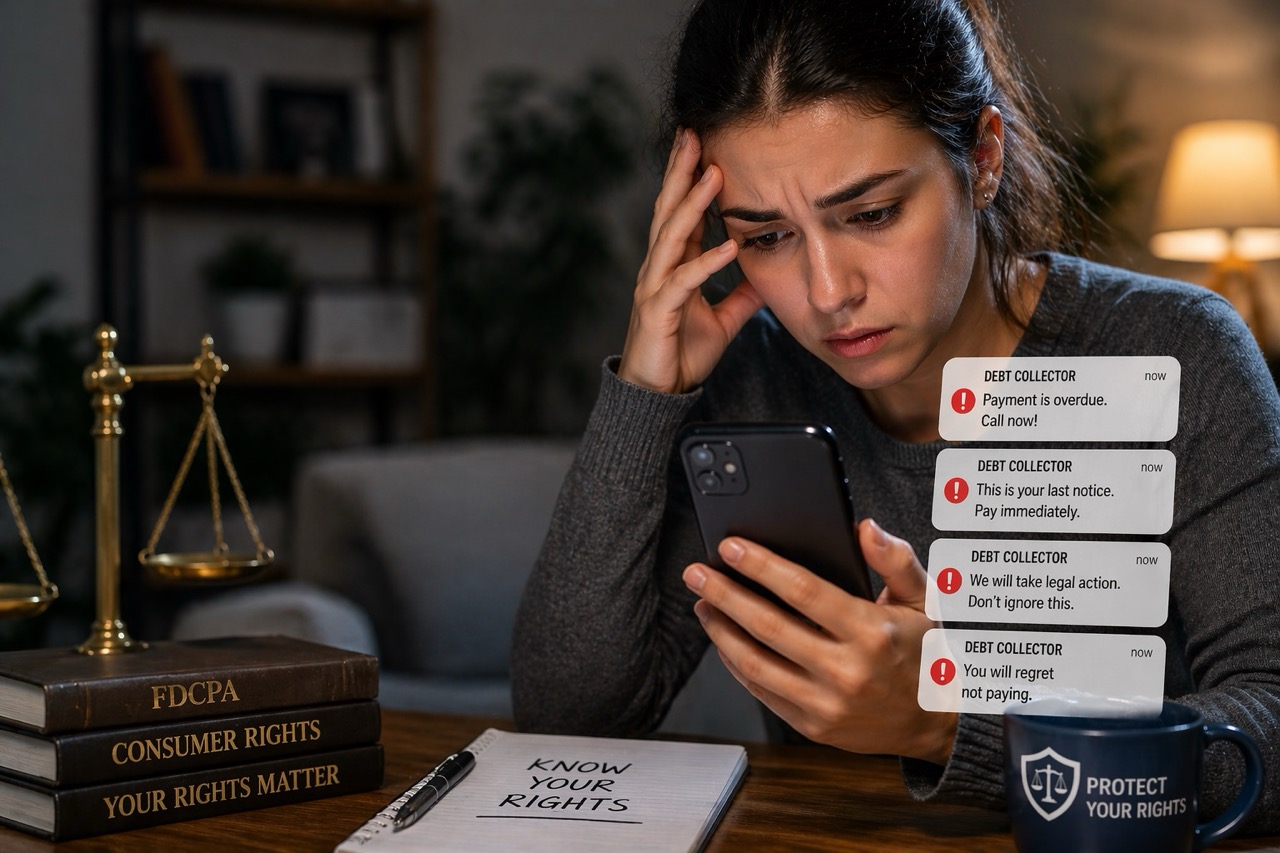
You check your bank account and something is wrong. There are charges you never made. Accounts you never opened. That sinking feeling means one thing. You may be a victim of identity theft.
The first 48 hours are the most critical window you have. Every hour of delay gives fraudsters more time to cause damage. Many people freeze up or wait hoping it resolves itself. That almost always makes things worse.
This guide gives you a clear and actionable identity theft checklist Florida residents can follow right now. Move quickly and you give yourself the best chance at full recovery.
Act Fast: Why the First 48 Hours Matter After Identity Theft
Identity theft does not pause once it starts. Fraudsters move quickly. New accounts can be opened within hours of a breach. Credit damage compounds fast if nothing is done.
Acting within the first 48 hours gives you the strongest chance of limiting that damage. Early steps also set the foundation for successful disputes later. Bureaus and lenders take your case more seriously when you respond immediately. Delays send the wrong signal and weaken your position.
Let us walk through exactly what to do and in what order.
Step 1: Place a Fraud Alert on Your Credit Reports Immediately
A fraud alert is your first line of defense. Contact any one of the three major credit bureaus: Equifax, Experian, or TransUnion. When you alert one, they are required to notify the others. An initial fraud alert lasts one year. It requires lenders to take extra steps to verify your identity before opening new credit.
If you have an identity theft report from the FTC, you may qualify for an extended seven-year alert. This step is free and takes only minutes. Do it before anything else.
Step 2: Freeze Your Credit to Block New Accounts
A fraud alert adds a warning. A credit freeze goes further and locks your file entirely. A freeze prevents anyone from accessing your credit file to open new accounts. It is one of the most powerful tools available to identity theft victims.
A credit freeze stops lenders from pulling your credit report entirely. Without access to your file, they cannot approve new credit in your name. This blocks most forms of new account fraud quickly and effectively.
How to Freeze Your Credit in Florida
Contact all three bureaus separately to place the freeze with each one. Equifax, Experian, and TransUnion each maintain their own files. After placing each freeze, you will receive a PIN or password. Store those credentials somewhere secure. You will need them to lift the freeze later when you choose to apply for credit.
Step 3: Review Your Credit Reports for Unauthorized Activity
Pull your full credit reports from all three bureaus right away. Visit AnnualCreditReport.com to access your reports at no cost. Go through every line carefully.
Look for accounts you do not recognize, hard inquiries you did not authorize, or any changes to your personal information. Even small unfamiliar entries matter.
Identify every suspicious item and write them all down. Documentation is essential throughout your identity theft recovery steps. The more thorough your records, the stronger your disputes will be.
Step 4: Report Identity Theft to the FTC and Get a Recovery Plan
The Federal Trade Commission has a dedicated resource for identity theft victims. Go to IdentityTheft.gov and file your report as soon as possible. The process is straightforward and walks you through each entry.
Once you submit, the FTC generates a personalized recovery plan tailored to your situation. That plan outlines specific next steps based on what type of theft occurred.
Your FTC report also serves as official documentation. You can use it when disputing accounts with bureaus, contacting lenders, or working with law enforcement. Keep a copy of it throughout your recovery process.
Step 5: Contact Banks, Credit Card Companies, and Lenders
Reach out to every financial institution connected to the fraudulent activity. Call each one directly and clearly state that unauthorized activity has occurred on your account or in your name. Ask them to freeze or close any affected accounts immediately. Request that they flag the accounts for fraud investigation and issue new account numbers where applicable.
Acting fast here limits further financial loss. Every transaction that goes through before you report it is harder to recover. Contact each institution the same day you discover the fraud if at all possible. Ask for written confirmation of every action they take on your behalf.
Step 6: File a Police Report if Necessary
A police report is not always required. But in some situations it is essential. If the theft involved large-scale fraud, a stolen physical wallet or documents, or criminal use of your identity, contact your local law enforcement immediately.
A police report adds weight to your disputes. Some creditors and bureaus require one before they will investigate or remove fraudulent accounts. Bring your FTC identity theft report when you go. It will help officers understand the scope of the situation and strengthen the official record.
Step 7: Start Disputing Fraudulent Accounts and Charges
Once you have documented everything, begin the formal dispute process. Send written disputes to each credit bureau reporting fraudulent accounts or inquiries. Include your FTC report, police report if applicable, and any other supporting documentation.
Also contact the data furnishers directly. These are the lenders or creditors who reported the fraudulent accounts in the first place. They have an independent obligation to investigate your dispute.
Send everything by certified mail with return receipt. Keep copies of every letter, every response, and every tracking confirmation. This paper trail protects you if disputes need to be escalated.
Step 8: Secure Your Personal Information and Accounts
While you dispute the fraud, lock down everything you can access. Change your passwords immediately on all financial accounts, email, and any platform that holds sensitive information. Use strong and unique passwords for each account.
Enable two-factor authentication everywhere it is offered. This adds a second layer of protection even if a password is compromised.
Check your email accounts for any unusual login activity or forwarding rules set up by unauthorized users. Stay alert for phishing attempts via text or email that may try to collect more of your personal data.
Step 9: Monitor Your Credit and Financial Activity Closely
The work does not end after you file disputes. Check your credit reports regularly to track whether bureau investigations are progressing. Bureaus generally have 30 days to respond to a dispute under federal law.
Watch for any fraudulent accounts or inquiries that reappear after being removed. This happens more often than most people expect. Consider enrolling in a credit monitoring service that sends real-time alerts. Early detection of new activity keeps you ahead of any further damage and gives you the documentation you need to act fast.
Common Mistakes to Avoid After Identity Theft
Many victims unintentionally weaken their own cases in the days following discovery. Knowing what not to do is just as important as knowing the right steps. Avoid these mistakes at all costs:
- Waiting days or weeks before placing a fraud alert or freeze
- Failing to document phone calls, letters, and bureau responses
- Dismissing small suspicious charges as unimportant or accidental
- Not following up after filing a dispute to confirm it was resolved
Your Rights Under Identity Theft and Credit Laws
Federal law provides strong protections for identity theft victims. Under the Fair Credit Reporting Act, credit bureaus are legally required to investigate every dispute you file. If information cannot be verified, it must be corrected or removed.
If a bureau or data furnisher fails to act after a valid dispute, you may have legal options. You may be entitled to pursue a claim for damages caused by the error. Knowing your rights gives you leverage in the recovery process.
Get Help Protecting Your Credit Today
You do not have to navigate identity theft alone. Consumer Law Organization, P.A. helps Florida residents take legal action when credit bureaus and lenders fail to correct fraudulent information.
We offer a free consultation with no pressure. In many cases there are no upfront fees. Contact us today and let us help you protect your credit and your rights.
Consumer Law Organization, P.A.
6231 PGA Blvd., Ste 104-1003 Palm Beach Gardens, FL 33418
Phone: (561) 822-3446